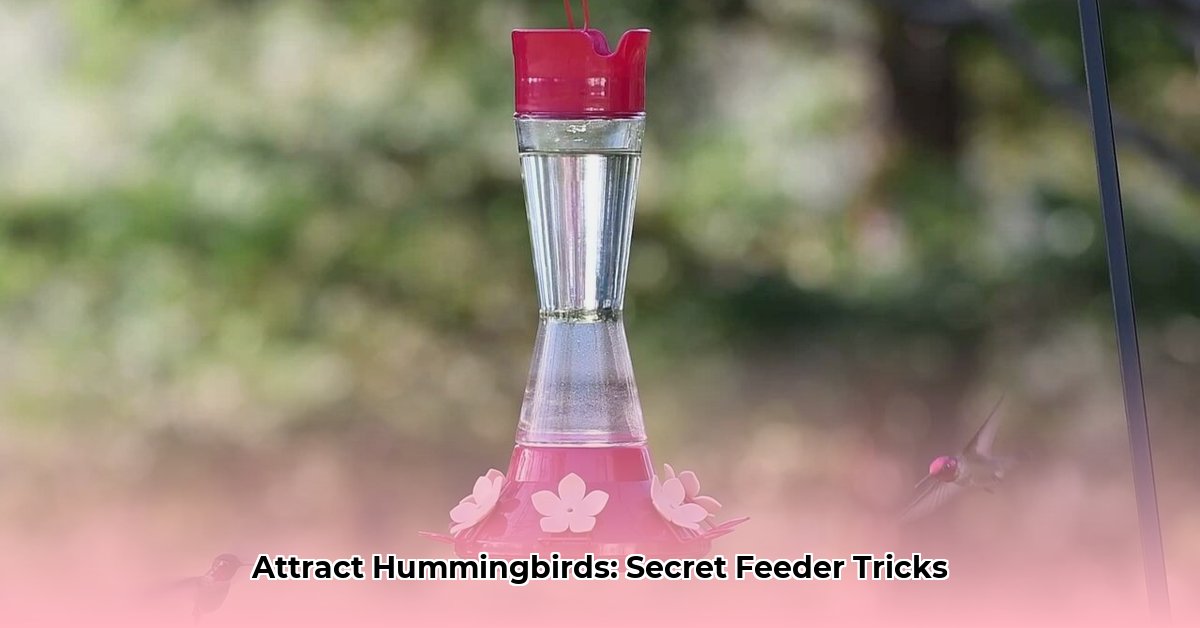
Hummingbirds: tiny, vibrant jewels that add a burst of color and energy to any garden. Want to attract these dazzling creatures to your backyard? Choosing and placing the right hummingbird feeder is key, and Tractor Supply offers a variety of options to help you succeed. For more hummingbird feeder options, check out Tractor Supply's website. This guide will walk you through selecting, placing, and maintaining a hummingbird feeder to create a truly hummingbird-friendly haven. Let's get started!
Choosing the Right Hummingbird Feeder
Tractor Supply offers several hummingbird feeder types, each with advantages and disadvantages. Consider your needs and preferences when making your choice.
Classic Tube Feeders: These are simple, affordable, and easy to clean, making them a great option for beginners. However, they're more prone to ant infestations and may require more frequent cleaning.
Window Feeders: These offer excellent viewing opportunities, but they generally hold less nectar, necessitating more frequent refills. They also may have smaller feeding ports, limiting access for some hummingbird species.
Reservoir Feeders: These hold a large volume of nectar, reducing refill frequency. However, they are more challenging to clean thoroughly.
Multi-Port Feeders: These accommodate multiple hummingbirds simultaneously, reducing competition. However, they are more complex to clean.
Material Considerations: Plastic feeders are lightweight and affordable, but may fade or break over time. Glass feeders are durable and easy to clean, while metal feeders are robust but can overheat in direct sunlight. Regardless of material, always look for feeders with an ant moat (a crucial defense against unwanted guests!). A crucial question to ask yourself: "What level of cleaning convenience do I need?"
Where to Place Your Hummingbird Feeder: Creating a Hummingbird Hotspot
Strategic placement is crucial for attracting hummingbirds. Follow these steps for optimal hummingbird visitation:
Sunlight: Hummingbirds thrive in sunny areas. Place your feeder where it receives at least six hours of direct sunlight daily. Did you know that hummingbirds can actually regulate their body temperature by basking in the sun?
Safe Haven: Position the feeder near protective cover like shrubs or trees. This gives hummingbirds a quick escape from potential predators. "Providing safety and comfort are key for attracting hummingbirds," says Dr. Anya Petrova, Ornithologist at Cornell University.
Ideal Height: Aim for 3-5 feet above the ground. This height is easily accessible for hummingbirds while minimizing predator vulnerability. "Too high or too low won't attract hummingbirds," notes renowned wildlife photographer, Mark Johnson.
Visibility: Ensure the feeder is clearly visible from multiple angles, allowing hummingbirds to easily spot their nectar source.
Hazard-Free Zone: Keep the feeder away from power lines, windows (to prevent collisions), and other potential hazards.
Maintaining Your Hummingbird Feeder: A Clean Feeder is a Happy Feeder
Regular cleaning is crucial to prevent the spread of disease among hummingbirds. Follow this simple routine:
Empty and Rinse: Completely empty the feeder every 2-3 days, more often in hot weather. Rinse thoroughly with water.
Wash: Wash the entire feeder with hot, soapy water, using a bottle brush to clean all areas. Avoid harsh chemicals.
Rinse Again: Rinse thoroughly to remove all soap residue.
Air Dry: Allow the feeder to air dry completely before refilling. This crucial step prevents bacterial growth.
Creating a Hummingbird-Friendly Garden: Beyond the Feeder
A feeder is a great start, but extending the hummingbird haven beyond the feeder itself dramatically increases your success. Plant nectar-rich flowers and shrubs that hummingbirds love! Examples include bee balm, salvia, trumpet vine, and honeysuckle. "These plants provide a natural, sustainable nectar source that complements your feeder," states renowned horticulturalist, Susannah Jones of the Royal Horticultural Society.
Troubleshooting Common Hummingbird Feeder Problems
Even with the best planning, challenges may arise. Here's how to address some common issues:
Ants: Ensure your ant moat is functioning correctly. Consider additional ant deterrents if needed.
Bees: Feeders with smaller feeding ports can discourage bees. (A small amount of bee competition is normal and usually not a cause for alarm.)
Lack of Hummingbird Visits: Try adjusting the feeder's height or location. Experiment with different nectar recipes; however, a simple 1:4 sugar-to-water ratio is usually best. Remember, it sometimes takes time for hummingbirds to discover the feeder! Be patient.
Conclusion: Your Backyard Hummingbird Paradise Awaits!
By following these steps and providing a clean, safe and inviting environment, you can transform your backyard into a hummingbird magnet. Remember to share your experiences – happy hummingbird watching!